Pet-Proofing Your Rental: Easy Tips for a Safe, Pet-Friendly Home
- services0911
- Aug 18
- 9 min read
Pets have a magical talent for finding trouble in places no human would ever inspect. A dangling cord? Delicious spaghetti. A windowsill? Obviously a launchpad. A new rug? Great news, it’s now a wrestling mat.
The good news is that pet-proofing a rental doesn’t mean wrapping your apartment in bubble wrap or living with furniture that looks like it belongs in a vet clinic waiting room. You can make your place safer, cozier, and easier to maintain without upsetting your landlord or draining your deposit.
A smart pet-friendly setup protects three things at once: your pet, your home, and your peace of mind. That means spotting hazards before paws do, choosing materials that can handle fur and zoomies, securing risky spots, and having a clear conversation with your landlord about what’s allowed.
Let’s make the place safe, comfy, and slightly less vulnerable to tiny chaos gremlins.
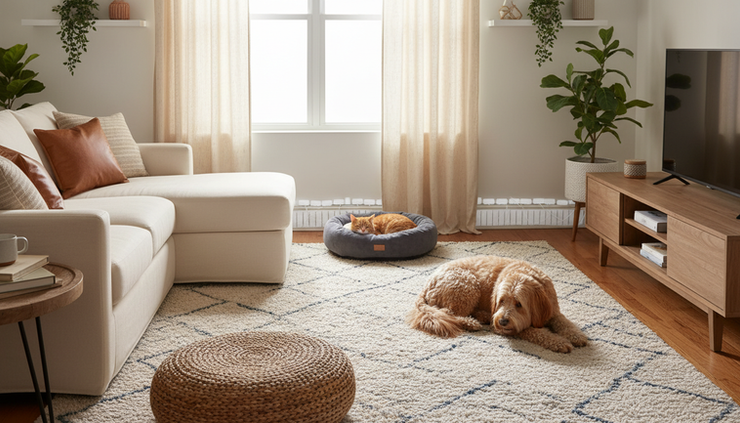
Start with a pet-level safety sweep
Before buying gates, rugs, bowls, beds, or that oddly expensive cat tree your cat may ignore out of principle, take a slow walk through your rental from your pet’s perspective.
That means looking low. Really low. Crawl-height low, if your knees allow it. Pets live in a world of loose cords, dropped pills, open cabinets, chewable corners, and mysterious crumbs. If it’s reachable, sniffable, climbable, or swattable, assume it’s fair game.
Check the obvious danger zones first
Start with rooms where accidents are most likely: the kitchen, bathroom, laundry area, balcony, and anywhere you store cleaning products.
Look for:
Loose electrical cords
Tuck them behind furniture, use cord covers, or bundle them out of reach. Chewing cords is dangerous, and it’s also a terrible way to discover your pet has strong opinions about cable management.
Cleaning supplies and chemicals
Store cleaners, detergents, pest sprays, and air fresheners in latched cabinets or high shelves. “Natural” doesn’t always mean pet-safe, so keep everything sealed.
Human food within reach
Some foods are unsafe for pets, including chocolate, grapes, raisins, onions, garlic, and xylitol, a sweetener found in some sugar-free products. Keep snacks and trash secured.
Trash cans
Use lidded cans, preferably ones that lock or sit inside a cabinet. Dogs, especially, treat trash like a buffet with legal gray areas.
Small items
Hair ties, rubber bands, sewing supplies, batteries, coins, and children’s toys can become choking or swallowing hazards.
Houseplants
Many common houseplants can be toxic to cats or dogs. If you’re not sure a plant is safe, move it out of reach and check with your vet or a trusted pet safety resource.
Watch for rental-specific risks
Rentals come with quirks. Maybe your closet door doesn’t latch. Maybe the bathroom cabinet has a gap. Maybe there’s a tiny hole behind the stove that your kitten believes leads to Narnia.
Pay special attention to:
Gaps behind appliances
Loose floor vents
Broken blinds or dangling cords
Wobbly shelves
Old carpet nails or staples
Baseboards with peeling paint
Closet doors that slide open too easily
If something needs repair, document it and ask your landlord or property manager to fix it. That’s better than trying to MacGyver a permanent repair and accidentally making things worse.
Choose materials that forgive fur, claws, and accidents
Pet-friendly decorating is mostly about choosing things that don’t panic when life happens. You want materials that clean easily, resist damage, and don’t turn every pet hair into a visible announcement.
This is where pet-proofing your rental can actually make your home nicer, not just safer. The right textures and finishes make everyday cleanup faster, especially if your pet sheds like it’s their side hustle.

Pick rugs that can handle real life
If your rental has hard floors, rugs help with traction and reduce noise. That’s a win for pets, downstairs neighbors, and anyone who has witnessed a dog skidding across laminate like a furry hockey puck.
Look for:
Low-pile rugs
Washable rugs
Darker patterns or mixed tones
Indoor-outdoor rugs
Rugs with non-slip pads underneath
Avoid delicate vintage rugs in high-traffic pet zones unless you’re emotionally prepared for drama. A washable runner by the door can catch muddy paws before they redecorate the whole place.
Use furniture covers without sacrificing style
You don’t need to cover your sofa in plastic like it’s 1978. There are plenty of soft, washable covers and throws that look good and protect your furniture from fur, drool, scratches, and surprise naps.
Good options include:
Quilted sofa covers
Machine-washable throws
Slipcovers
Pet blankets for favorite resting spots
Waterproof liners under cushions if accidents are an issue
If your pet has a favorite chair, congratulations, it’s not your chair anymore. Add a washable blanket and accept the new management structure.
Choose pet-friendly fabrics and finishes
Some materials hold up better than others. If you’re buying new furniture for a rental with pets, think practical first, fancy second.
Material or item | Why it works well for pets |
Microfiber | Resists stains and is easier to clean than many woven fabrics |
Leather or faux leather | Wipes clean, though it can show claw marks |
Low-pile rugs | Traps less fur and cleans more easily |
Metal or wood furniture legs | Less tempting than soft upholstered bases |
Washable curtains | Easier to refresh when fur and dust build up |
Try to avoid loose weaves, velvet in high-use areas, and anything with fringe. Fringe is basically a party invitation for cats and teething puppies.
Protect the floors without making permanent changes
Renters need temporary fixes that don’t damage the property. Try:
Non-slip rug pads that won’t stain flooring
Washable mats under food and water bowls
Boot trays near entry doors
Scratch-resistant floor mats under litter boxes
Felt pads under furniture legs
If you use adhesive products, check that they’re safe for your wall or floor finish. Some sticky pads remove paint like they’re being paid to do it.
Secure windows, balconies, and all those tempting lookout spots
Windows and balconies are wonderful for pets. They offer fresh air, sunshine, bird-watching, squirrel surveillance, and neighborhood gossip. They can also be risky if they aren’t secure.
Cats can push through loose screens. Dogs can jump at windows during excitement. Small pets can slip through balcony railings. Even calm pets can get startled by loud noises.
Make windows safer
Start by checking every window your pet can reach. Screens are made to keep bugs out, not always to keep pets in. If a screen feels loose, bends easily, or pops out with light pressure, don’t trust it as a barrier.
Safer window habits include:
Opening windows from the top if possible
Using adjustable window stops
Keeping furniture away from risky windows
Checking screens regularly
Closing windows when pets are unsupervised
For cats, consider renter-friendly screen guards or tension-mounted barriers. For dogs, keep beds and climbable furniture away from low open windows.
Take balconies seriously
A balcony can feel like bonus square footage, but for pets, it needs careful setup. Never assume railings are safe just because they meet building standards. Small dogs, cats, and curious puppies may squeeze through gaps.
Useful balcony safety steps include:
Measuring railing gaps before allowing access
Using pet-safe mesh or panels with landlord approval
Keeping chairs, tables, and storage bins away from railings
Avoiding balcony time during extreme heat or cold
Supervising pets outside every time
Skip anything that permanently attaches to railings unless your lease and landlord allow it. Zip ties, tension-based barriers, and removable panels may be options, but always ask first. Balcony rules can vary by building, city, and insurance requirements.

Don’t forget blinds and cords
Dangling blind cords are a hazard, especially for cats and playful puppies. Use cord cleats, tension devices, or cordless window coverings if your landlord allows changes.
If replacement isn’t allowed, tie cords high and out of reach. Keep them neat, not looped, and check them often. A bored pet plus a swinging cord equals a bad idea with whiskers.
Create pet zones that make daily life easier
Designated pet areas aren’t just cute. They help pets feel settled, protect your rental, and make cleaning much less annoying.
Think of these zones as tiny home bases. Your pet gets comfort and routine. You get fewer mystery messes and less chaos. Everyone wins, including the vacuum.
Set up a feeding station
A good feeding area should be easy to clean and away from heavy foot traffic. Use a mat under bowls to catch water spills, crumbs, and kibble confetti.
A simple setup works best:
Food and water bowls
Silicone or washable mat
Airtight food storage
Towel nearby for spills
Space away from litter boxes
If your pet is a sloppy drinker, and many dogs drink like they’re auditioning for a fountain sculpture, use a larger mat or boot tray under the water bowl.
Give pets a cozy rest spot
Pets need a place where they can relax without being stepped over or moved every five minutes. A bed, crate, blanket, or window perch can become their safe zone.
Choose a spot that’s:
Quiet but not isolated
Away from drafts
Easy to clean around
Not blocking doors or walkways
Not too close to heaters or vents
For anxious pets, a covered crate or tucked-away bed can help create a den-like feeling. For cats, vertical space matters. A sturdy cat tree or shelf-like perch can reduce climbing on things you’d rather protect, like your bookcase, curtains, or soul.
Make a smarter litter box area
For cats, litter box placement can make or break the whole rental experience. The box should be accessible, quiet, and easy to clean around.
Helpful renter-friendly ideas include:
A litter mat to trap granules
A washable floor mat underneath
A small handheld vacuum nearby
Covered storage for litter and bags
Regular cleaning to control odor
Avoid placing the litter box near loud machines, like washers or dryers, if you can. Nobody wants a bathroom that suddenly sounds like a spaceship launch.
Build an entryway paw-cleaning station
If your pet goes outside, set up a small cleaning zone by the door. This can save your floors after rain, snow, mud, or whatever mysterious sidewalk substance your dog proudly stepped in.
Keep a basket with:
Old towels
Pet wipes
Waste bags
Leash and harness
Paw balm if your vet recommends it
A washable mat or runner
This tiny setup can make your whole rental feel cleaner with almost no effort.

Talk to your landlord before tiny problems become big ones
A pet-friendly home also needs a pet-friendly agreement. Before making changes, adding barriers, installing hardware, or bringing home a new pet, review your lease and talk with your landlord or property manager.
This part may not be as fun as buying squeaky toys, but it can save you from fees, repair disputes, or awkward “so about the claw marks” conversations later.
Read the pet policy closely
Pet policies often spell out details like:
Allowed pet types
Breed or size restrictions
Number of pets
Pet deposits or monthly pet rent
Vaccination or licensing requirements
Noise rules
Cleaning expectations
Rules for balconies, common areas, and outdoor spaces
If anything feels unclear, ask in writing. Written answers are easier to reference later and help everyone stay on the same page.
Ask before making changes
Many pet-proofing fixes are removable, but some still need permission. Ask before installing gates with hardware, adding balcony mesh, replacing blinds, mounting shelves, or applying adhesive products to walls or floors.
A friendly message can be simple:
“Hi, I’m setting up the apartment to keep my pet safe and protect the property. Would it be okay to use a removable window barrier and a pressure-mounted gate? I’ll avoid permanent changes unless approved.”
That shows responsibility. Landlords tend to appreciate tenants who think ahead, especially when the goal is preventing damage.
Document the condition of the rental
When you move in, take photos or a short video of floors, doors, walls, screens, blinds, and appliances. Save them somewhere easy to find. This protects you if there’s confusion later about what damage was pre-existing.
If your pet does cause damage, report it early. A chewed trim corner or scratched door may be easier to fix before it turns into a bigger issue. Pets are adorable, but they are not known for filing maintenance requests.
Offer a pet resume if needed
If you’re applying for a rental or asking for pet approval, a pet resume can help. Keep it short and useful.
Include:
Your pet’s age, size, and breed or mix
Vaccination status
Spay or neuter status, if applicable
Training basics
References from a previous landlord, if you have one
A note about your cleaning and pet-care routine
This isn’t about making your dog look like they’re applying to grad school. It’s about showing you’re a responsible renter.
If you’re looking for guidance on rental living, property care, or pet-friendly management expectations, visit Kynara Management for helpful property management support.

Keep it safe, simple, and easy to live with
The best pet-proofing doesn’t make your rental feel like a fortress. It quietly supports daily life. Cords are tucked away. Windows are secure. Floors are protected. Your pet has a place to eat, sleep, play, and dramatically sigh for no clear reason.
Start with the hazards that could hurt your pet, then move on to the things that protect your deposit and make cleaning easier. Use renter-friendly materials, ask before making changes, and keep communication with your landlord clear and friendly.
A safe pet-friendly home doesn’t need to be perfect. It just needs to work for real life, with real pets, real messes, and the occasional zoomie at 10:47 p.m. Your furry friend gets comfort and safety, and you get a home that can handle the paws, claws, fur, and love that come with them.



Comments